Everything a beautician needs to know to manage acne-prone skin in a targeted way
Acne is one of the most common skin conditions, but also one of the most misunderstood.
In the popular imagination, it's associated with adolescence, when the "hormonal storm" erupts and disrupts every aspect of our lives, including our skin!
In reality, acne is not a condition exclusive to adolescence, but can appear at any age.
We all know (or think we know) what acne is, yet we often lack a true understanding of its origins, the different types, and the stages that characterize it.
In fact, acne is much more than a simple inflammation caused by a blackhead or pimple. It's a condition that arises from a series of interconnected factors, including genetics, hormones, environment, habits, and diet.
Understanding acne and its causes is the first step to addressing it appropriately and with awareness. It's especially crucial for beauty professionals to have a thorough understanding of all the factors involved in acne development, so they can consistently offer targeted and personalized cosmetic treatments to improve skin health and guide clients toward their true beauty.
That's why, in this article, we'll guide you, beauty professionals, on a journey to better understand acne, its causes, and its stages, and we'll also take a short detour to also clarify the difference between acne and pimples.
What is Acne?
Let's begin our journey into skin by trying to clearly define acne.
Acne is a dermatological condition that occurs when the skin's hair follicles, which contain small sebaceous glands, become clogged.
The sebaceous glands are responsible for producing sebum, a natural oil that helps keep the skin hydrated and protected. However, when these glands produce excessive amounts of sebum, the pores become clogged and the sebum cannot escape, creating an ideal environment for the proliferation of certain bacteria, such as Propionibacterium acnes. These bacteria are normally present on the skin, but when pores are clogged, they can grow and multiply, causing inflammation.
This occurs especially during periods of increased hormonal activity, such as puberty, but also during adulthood, when hormonal changes, stress, diet, or the use of unsuitable cosmetics occur.
The skin reacts by increasing the production of white blood cells to defend itself, which leads to redness, swelling, and pus, creating classic acne lesions such as pustules and cysts. The end result is skin that can appear uneven, with visible signs ranging from simple blackheads to painful cysts that can leave scars.
What causes acne?
As mentioned above, being 15 isn't the only cause of acne. Rather, acne is the result of a combination of factors that lead to skin inflammation, including:
Genetics: Scientific studies have shown that acne has a significant hereditary component.
Of course, this is a factor over which professionals have little control—after all, we haven’t yet gained the power to rewrite our clients’ genetic code.
However, being aware of this predisposition can help the esthetician choose preventive protocols and targeted treatments, as well as recommend the right daily skincare routine for at-home maintenance.
The link between acne and genetics is complex and involves various genes that affect different aspects of the skin:
- Hyperactivity of the sebaceous glands: Sebum production, one of the key elements in the development of acne, can be influenced by genetic factors
- Skin composition and inflammatory response: The skin’s inflammatory response plays a crucial role in the onset and severity of acne. People with skin that is more reactive to bacterial infection within their pores develop intense inflammation.
- Tendency to form comedones: Some people have a greater predisposition to developing comedones, which are the precursors to blackheads and whiteheads. The ease with which comedones develop can contribute to the worsening of acne, leading to the appearance of more visible and difficult-to-treat lesions.
- Acne heritability: The likelihood of developing this condition is higher in those with a family predisposition, although it is not the sole determining factor.
Hormones: They play a crucial role in the development of acne, as they are directly involved in regulating the function of the sebaceous glands, which are primarily responsible for sebum production. The relationship between hormones and acne is particularly evident during periods of hormonal fluctuations, such as puberty, the menstrual cycle, pregnancy, and the use of hormonal contraceptives and hormone therapies, as well as endocrine disorders. Here too, it is crucial for the professional to be aware of the link between hormones and acne so they can tailor treatments to each client's specific situation.
Environmental Factors and Lifestyle: Many external factors—such as pollution, humidity, UV exposure, and stress—as well as daily habits related to diet, sleep, and skincare, can significantly influence the onset and severity of acne.
The role of the professional is not only to ‘treat’ the acne problem but also to thoroughly understand her client’s skin in order to determine whether acne may be caused by any of these external factors. She can then recommend remedies not only through in-clinic or at-home treatments but also by suggesting lifestyle improvements.
- Air pollution is one of the main environmental factors contributing to acne. Smog particles, polluting gases, and chemicals in the air can settle on the skin and in pores, clogging them and promoting the formation of comedones, which are the precursors to acne.
- Humidity and high temperatures can make acne worse, especially in people who already have oily skin.
- Excessive exposure to ultraviolet (UV) rays can have negative effects, especially for acne sufferers. Sun exposure tends to initially dry out the skin, temporarily reducing acne marks, but over time it can increase sebum production, triggering a new set of acne breakouts. Furthermore, UV rays damage the skin, weakening its protective barrier and increasing the risk of post-acne scarring.
- Stress is one of the main factors that can exacerbate acne. When we're stressed, our body produces increased amounts of the stress hormone cortisol, which stimulates the sebaceous glands to produce more sebum.
- Diet plays a significant role in acne management. Some studies have shown that unhealthy foods can contribute to increased blood insulin levels, which in turn stimulates sebum production.
- Smoking and alcohol. Some studies report that excessive smoking and alcohol consumption can increase inflammation, worsening pre-existing conditions and leading to the formation of new skin blemishes. Smoking also clogs skin pores, creating a fertile environment for bacterial growth and the formation of blackheads, comedones, and pimples, thus turning the skin into a constant battlefield.
Stage 1: Comedonal Acne (Mild)
Comedonal acne is considered the mildest form of acne and is characterized by the formation of comedones, which are pore blockages caused by the accumulation of sebum, dead skin cells, fibers, and sometimes bacteria. Comedones are divided into blackheads (open comedones) and whiteheads (closed comedones).
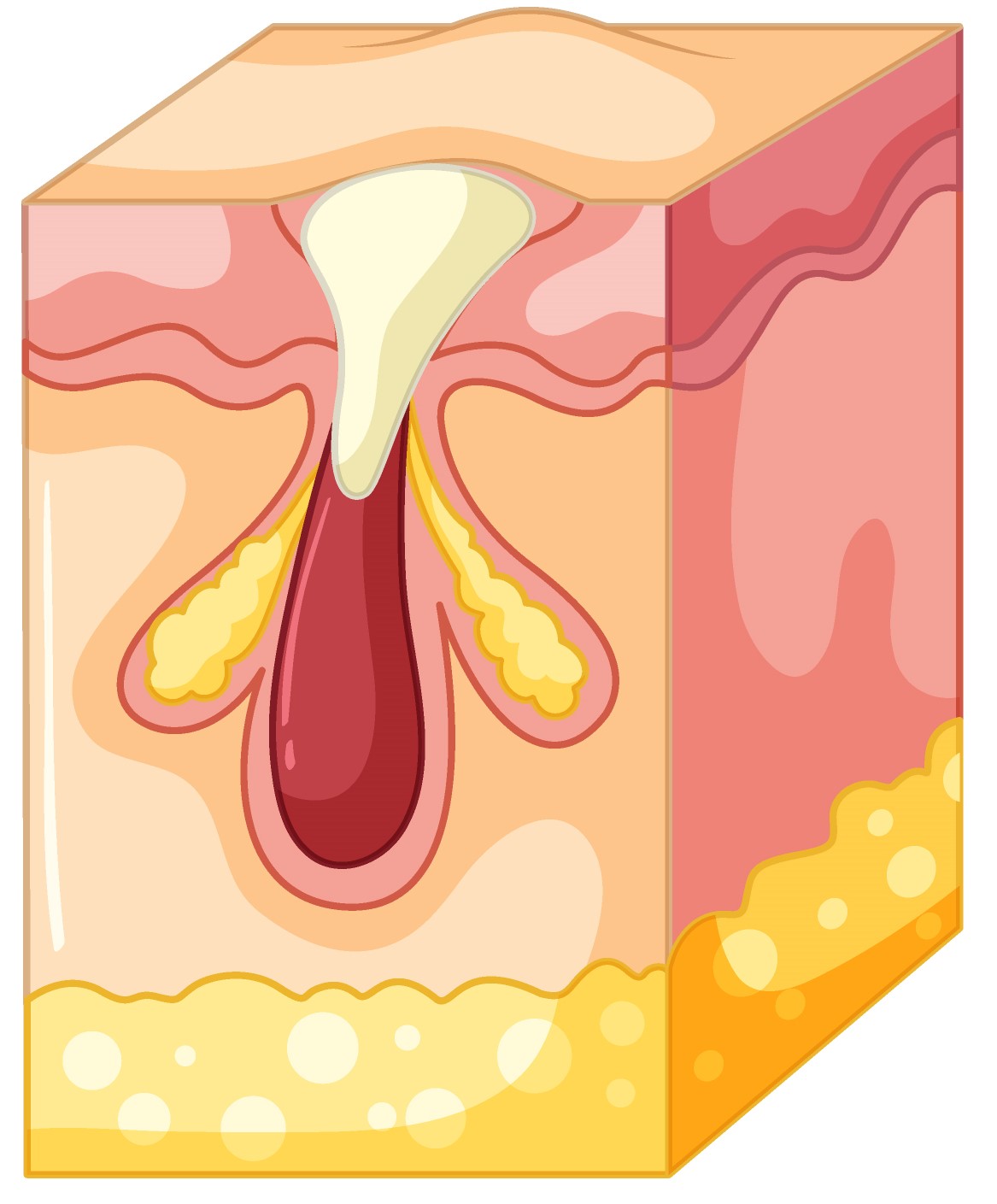
- Blackheads: They form when pores are partially clogged and the accumulated sebum comes into contact with air, oxidizing and turning dark. They aren't inflamed, but their presence indicates clogged pores.
- Whiteheads: They occur when the pores are completely clogged, but the sebum and dead cells do not come into contact with the air but remain under the skin, without oxidizing.
It is at this stage that it becomes essential to purify and cleanse the skin with targeted aesthetic treatments, both professionally in a salon and at home to maintain results.
The SkinSystem Dermocosmetic Line offers various solutions that can help improve acne at this stage, offering a wide range of cleansing and skincare products:
Stage 2: Acne Papulosa (Mild Inflammation)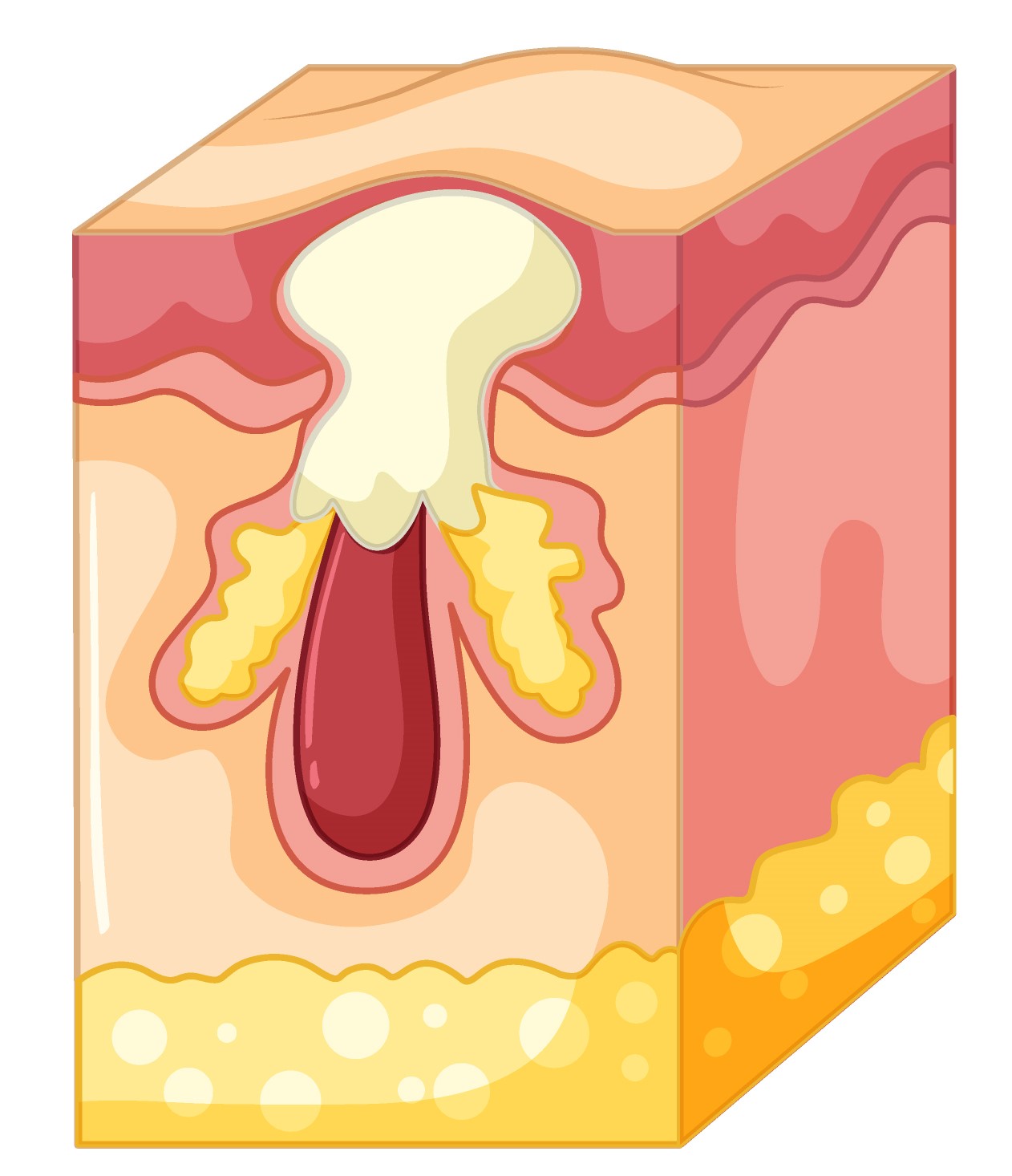
When comedonal acne is left untreated and progresses, papules may form small, red, inflamed bumps that can be painful to the touch. They indicate the skin is reacting to a bacterial infection. They do not contain pus, but are visible as raised bumps on the skin.
From this point on, acne can be considered in the active/acute phase.
The stage of acne and the overall condition of the skin (integrity, lesions, etc.) must be carefully evaluated to choose an appropriate aesthetic or medical treatment.
If the professional believes aesthetic intervention is still possible, she can rely on the many treatments and specific products of the SkinSystem Dermocosmetic Line.
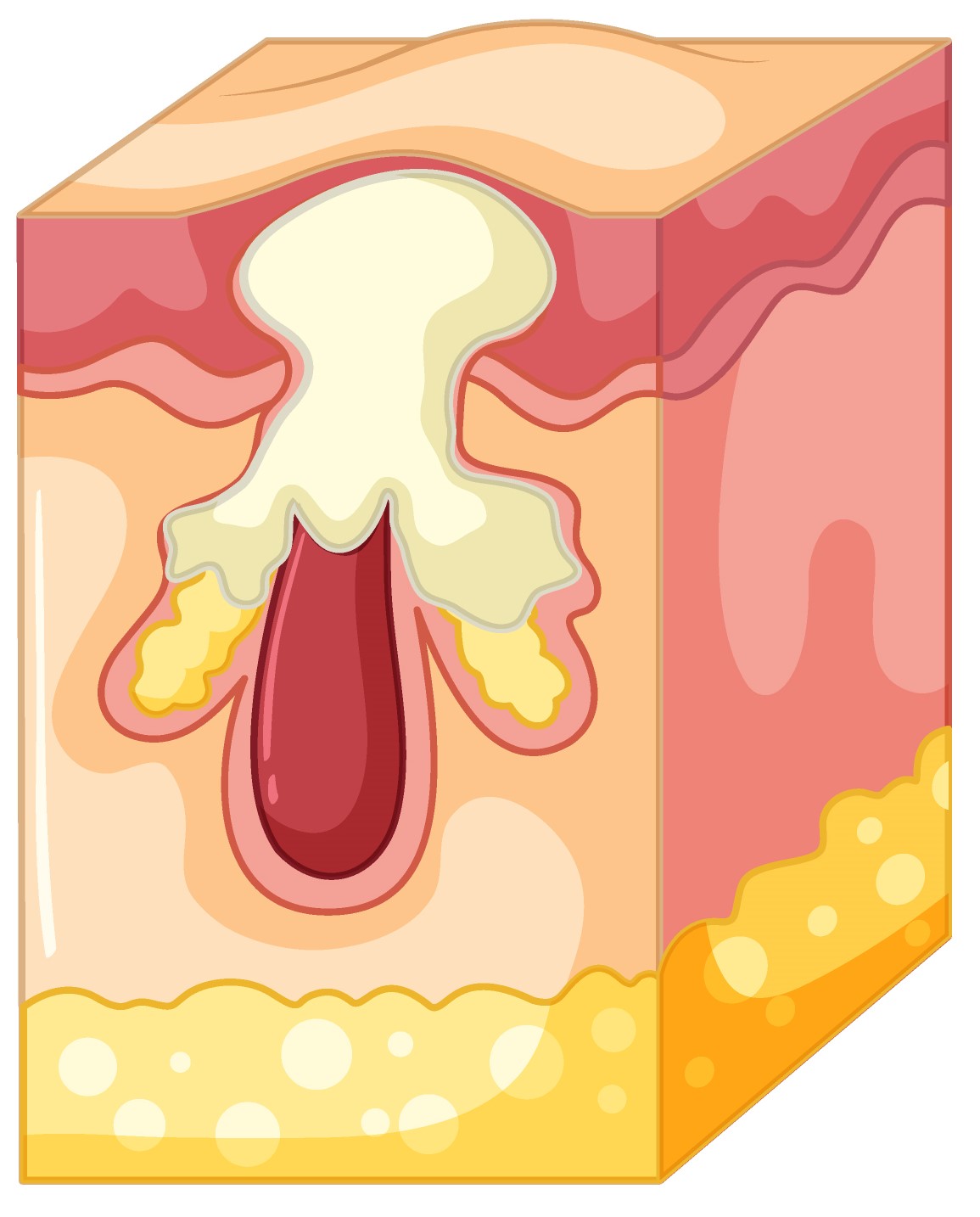 Stage 3: Pustular Acne (Moderate Inflammation)
At this stage, the inflammation intensifies and pus accumulates in the comedone, forming pustules. Pustules are more visible lesions that appear as small, pus-filled bumps with a white or yellow center, and are often painful to the touch.
From this stage, it is advisable to consult a medical specialist who will be able to recommend medical treatment and, if necessary, additional aesthetic treatments to be carried out in the cabin.
Stage 4: Nodular Acne (Severe)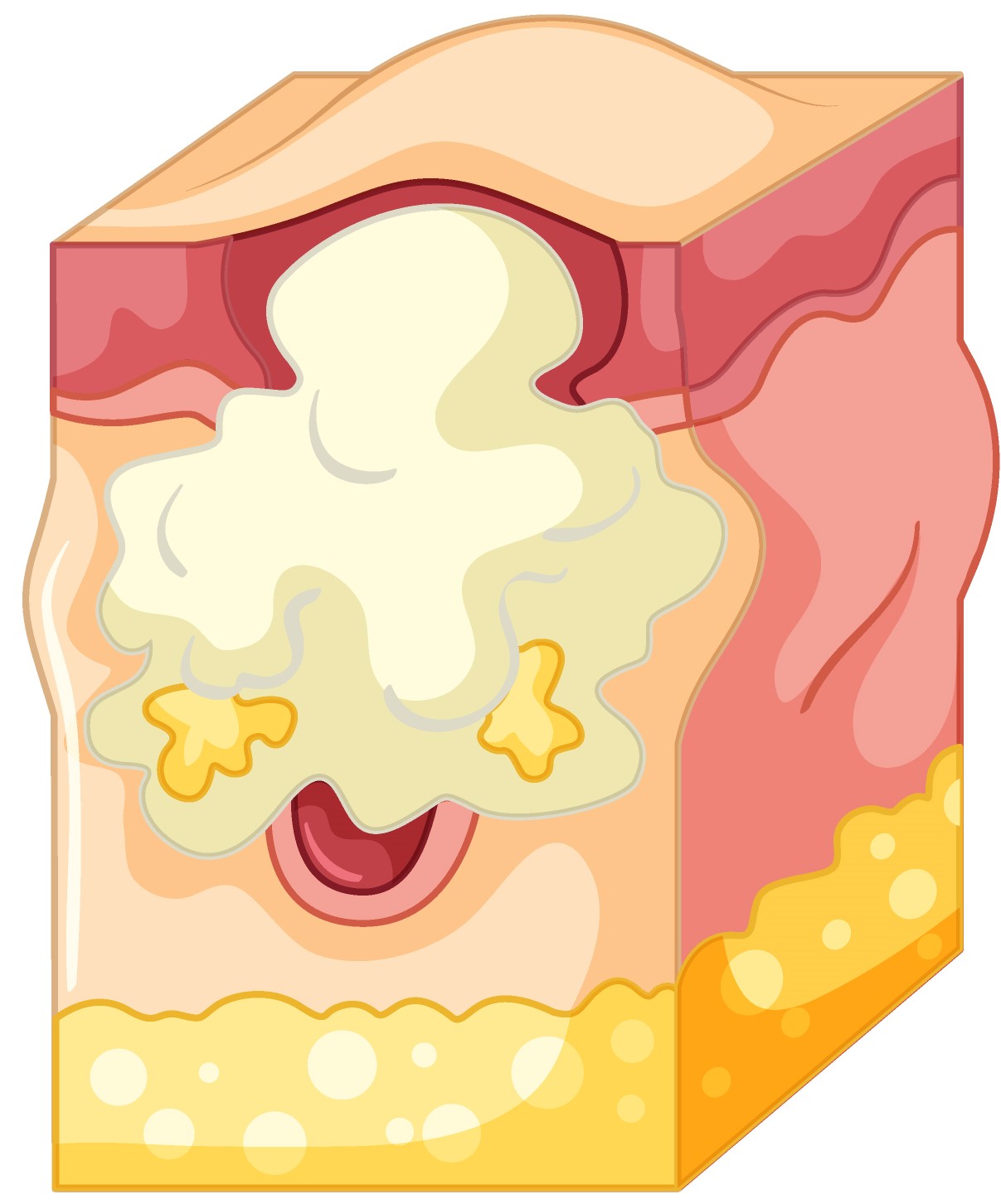
As acne progresses, the lesions can become larger, deeper, and more painful, developing into nodules. Nodules are firm, inflamed, and painful lesions that form deeper under the skin and can leave more visible scars.
Stage 5: Cystic Acne (Very Severe)
Cystic acne is the most severe and debilitating form of acne. The cysts that form in this stage are large, pus-filled, and often painful. They grow deep into the skin and can merge, forming larger masses that damage the surrounding skin tissue. Cystic acne is the form with the greatest potential for permanent scarring, both due to the lesions themselves and the inflammatory process.
SkinSystem treatments include the treatment of stage 1 and 2 acne. Other stages require medical consultation, to which the support of a professional beautician may be added if necessary.
 Acne vs. Pimples: Understanding the Difference
An age-old question on the topic of acne: the difference between acne and pimples.
This distinction isn't always clear to everyone, so much so that when discussing acne and pimples, the two terms are often used interchangeably. However, although closely related, they represent two distinct concepts in the context of skin health.
The professionals in our community are certainly well-versed in this difference, but for the sake of clarity and completeness, we'll spend a few words on this topic as well.The main differences lie in the complexity of the condition, its severity, and the lesions that develop.
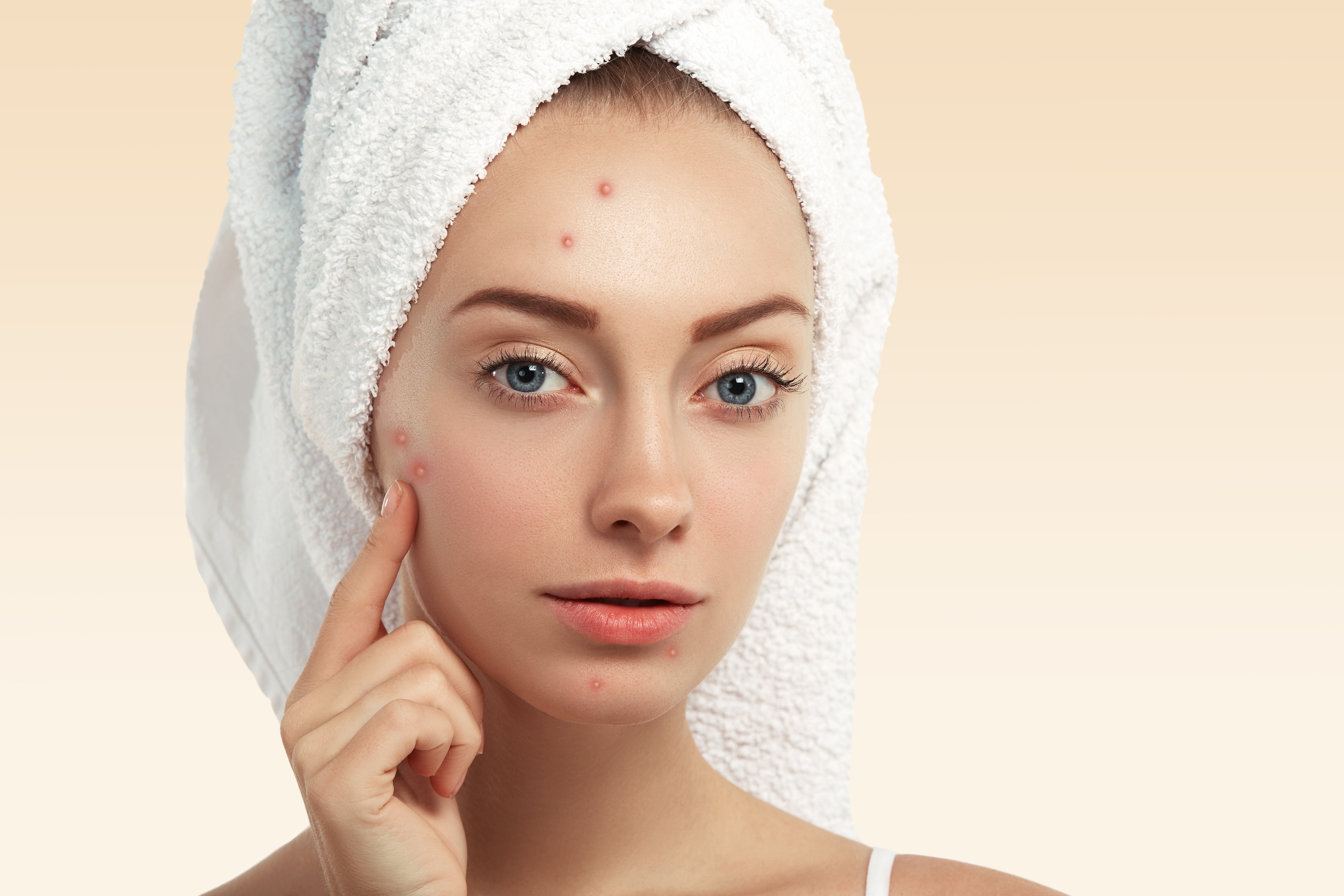
A "pimple" is a term commonly used to describe a single lesion or blemish on the skin. They are generally isolated and usually occur temporarily.
Acne is an inflammatory skin condition involving clogged pores, excessive sebum production, and inflammation. Acne can be classified into different forms and stages, ranging from mild to severe, which we will describe in detail later.
Here is a summary chart of the difference between a pimple and acne:

Some final reflections
So, where were we going with this article?
We definitely wanted to raise awareness among professionals about acne, a skin condition that is often over-generalized, overlooked, and therefore not treated with the attention it deserves.
Instead, timely and appropriate treatment at each stage of acne can make a big difference in improving the condition and preventing long-term skin damage such as permanent scarring.
Acne is a complex condition, but with the right knowledge, a professional can know how to treat it in a targeted and effective manner, making informed choices to achieve the best possible results for each client. Understanding the causes and stages of acne is essential for choosing the most suitable treatments for your clients' skin, improving their health and appearance.
Don't forget that acne can be a source of discomfort for a client, and that you, as a professional, are a trusted source for personalized treatments or, perhaps, guidance on which medical specialist to consult (in cases of more severe acne that cannot be treated cosmetically).
Skincare is a journey of beauty and wellness. Sometimes this journey involves conditions like acne, but with the right information and, above all, the support of specific professional products like those from the SkinSystem Dermocosmetic Line, every professional can give their clients the healthy, radiant skin they deserve to always feel their best.
